Key Takeaways
- The integration of renewable energy sources, such as solar panels, is becoming a standard feature in custom home renovations.
- The use of sustainable materials, such as reclaimed wood and bamboo, enhances both aesthetics and environmental responsibility.
- Smart home technologies play a crucial role in enhancing energy efficiency and promoting resource conservation.
- Water conservation features, including low-flow fixtures and rainwater harvesting systems, are increasingly popular.
- Biophilic design principles connect indoor spaces with nature, promoting well-being.
Table of Contents
- Renewable Energy Integration
- Sustainable Materials
- Smart Home Technologies
- Water Conservation Features
- Biophilic Design
- Conclusion
As eco-consciousness becomes a central focus for modern homeowners, the demand for sustainability in custom home makeovers continues to grow. Unique, environmentally responsible design is now blending seamlessly with luxury and comfort—demonstrated not just in material selection, but also in energy, water, and technology solutions. Leading experts and contractors in custom home renovation increasingly prioritize green innovation to deliver spaces that tread lightly on the planet without sacrificing quality or style.
A genuinely sustainable home renovation combines traditional craftsmanship with state-of-the-art advancements. From renewable energy to smart appliances, and from biophilic features to reclaimed finishes, today’s projects offer a holistic approach to living responsibly. The benefits go beyond reduced utility bills—homeowners experience improved well-being, healthier environments, and the joy of responsible stewardship.
Creative renovation strategies now bridge sustainability and individualized living, responding to global concerns about climate change while serving local community needs. Notably, adopting these trends helps increase property value, as seen in the broader adoption of green certifications and energy-efficient upgrades in real estate markets. These trends shape spaces for comfort, eco-impact, and long-term savings.
Renewable Energy Integration
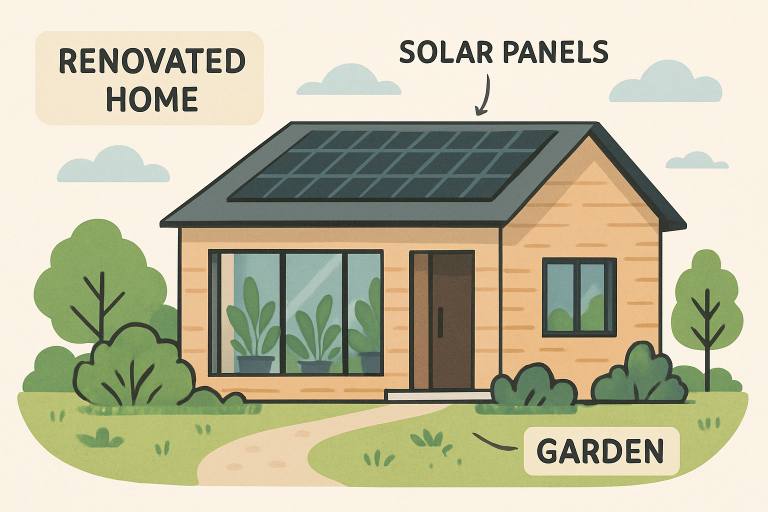
With the growing accessibility of renewable energy solutions, solar power installations and battery storage systems are now mainstays in green home renovation. Installing rooftop solar panels significantly reduces household reliance on traditional power grids, lowering carbon emissions and long-term energy costs. Modern solar technology, paired with efficient battery systems, stores surplus energy—ensuring a continuous power supply even during outages and reducing utility costs over the long run. According to the U.S. Department of Energy, investments in solar can also increase a home’s market value and appeal to eco-minded buyers.
Additional renewable innovations include wind and geothermal options, though solar remains the most popular due to scalability and accessibility. The integration of electric vehicle (EV) charging stations during renovations further preps homes for the future of transportation, making these spaces both smarter and more sustainable. Thoughtful home renovations that include renewable energy solutions enhance both efficiency and long-term value.
Sustainable Materials
The materials used in a renovation not only influence a home’s aesthetics but also its long-term environmental impact. Choosing locally sourced, reclaimed, or rapidly renewable materials like bamboo and cork dramatically reduces construction-related carbon footprints. Reclaimed wood, for example, lends historical character to projects and helps curb deforestation. Bamboo is a fast-growing and incredibly durable plant, making it a versatile alternative to traditional hardwoods.
Low-VOC paints, adhesives, and finishes are commonly specified to improve indoor air quality. These environmentally safe products emit fewer toxins, protecting both residents and the broader community. Using recycled metal and glass also supports circular economy initiatives, giving each home a unique identity.
Smart Home Technologies
Connected living is key to optimal resource management in modern custom renovations. Programmable thermostats, such as learning or remotely controlled variants, automatically adjust heating and cooling schedules based on occupancy and weather, minimizing wasted energy. Smart lighting, including LEDs, motion sensors, and automated dimmers, delivers convenience, ambiance, and substantial savings on utility bills.
Appliances with Energy Star ratings or smart functions optimize power use without sacrificing performance. Beyond the basics, smart leak detectors, irrigation controls, and even window treatments can be integrated seamlessly into a single interface, allowing homeowners to monitor and reduce consumption in real-time.
Water Conservation Features
Water-saving strategies are being incorporated into renovation planning, including methods such as low-flow showerheads, faucets, and toilets, which can save significant amounts of water annually. Smart irrigation systems and dual-flush toilets also optimize water usage, while rainwater harvesting systems reduce dependency on municipal supplies. These approaches not only benefit the environment but also provide cost savings for homeowners and contribute to a broader community effort in water conservation.
Biophilic Design
Biophilic design—the practice of integrating nature into indoor spaces—enhances cognitive function, creativity, and emotional well-being. Popular strategies include installing large windows to maximize natural light, creating living green walls or vertical gardens, and incorporating natural stone, wood, and water features into the home. Research indicates that these elements can improve air quality, boost mood, and foster a sense of tranquility that counteracts the stresses of modern living.
Open layouts that encourage flow between indoor and outdoor environments, alongside patios, atriums, or edible gardens, blur boundaries and help occupants reconnect with the rhythms of nature. Such features not only look beautiful but also deliver practical sustainability benefits by promoting natural ventilation, daylight harvesting, and effective heat management.
Conclusion
Integrating green innovations into custom home renovations no longer means compromising on design, comfort, or luxury. Instead, it represents a brighter, healthier, and more responsible approach to building and living. Renewable energy systems, eco-friendly materials, smart technologies, water conservation, and biophilic design collectively create houses that are as nurturing as they are efficient. As eco-friendly tools and concepts become standard in renovation projects, every step toward sustainability becomes a valuable investment in both environmental and household futures.