
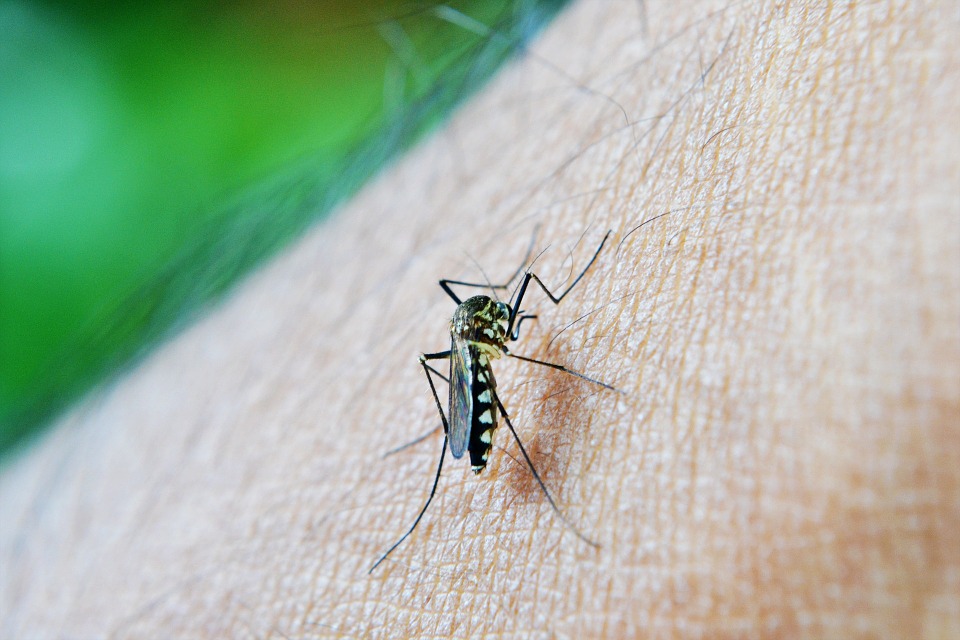
Mosquitoes, small as they are, pose significant health risks worldwide, transmitting deadly diseases such as malaria, dengue fever, Zika virus, and West Nile virus. Understanding the science behind mosquito control is crucial in devising effective strategies to reduce their population and mitigate the risks they pose. This article delves into the various scientifically-backed mosquito control techniques and how they contribute to public health safety.
Understanding Mosquito Biology
To effectively control mosquito populations, it’s essential to understand their life cycle and biology. Mosquitoes undergo four distinct stages: egg, larva, pupa, and adult. The first three stages occur in water, making aquatic habitats critical targets for control measures. By disrupting the life cycle at any of these stages, the overall mosquito population can be significantly reduced.
Larvicides and Biological Control
Larvicides are a category of insecticides specifically targeted at the larval stage of mosquitoes. They are applied to water bodies where mosquitoes breed, preventing the larvae from developing into adults. Biological control involves introducing natural predators or pathogens to control mosquito populations. For instance, certain fish species, like Gambusia affinis, are known to feed on mosquito larvae, providing a natural method of control.
Genetic Control Techniques
Recent advancements in genetic engineering have opened new frontiers in mosquito control. One such technique involves the release of genetically modified mosquitoes that are sterile or carry a gene that reduces their offspring’s ability to survive. This method aims to reduce the overall population by ensuring that the mosquitoes that do reproduce are less likely to contribute to future generations.
Insecticide-Treated Nets and Indoor Residual Spraying
Insecticide-treated nets (ITNs) and indoor residual spraying (IRS) are two of the most effective methods for controlling mosquito-borne diseases in endemic regions. ITNs provide a physical barrier and, when treated with insecticides, kill or repel mosquitoes that come into contact with them. IRS involves spraying the interior walls of homes with insecticides, which remain effective for several months, killing mosquitoes that rest on the treated surfaces.
Environmental Management and Community Involvement
Environmental management involves modifying or manipulating the environment to reduce mosquito habitats. This includes eliminating standing water, improving drainage, and properly managing water resources. Community involvement is crucial in these efforts, as public education and participation can lead to more sustainable and effective mosquito control measures.
Innovative Approaches and Future Directions
Innovation in mosquito control continues to evolve, with new technologies emerging such as mosquito traps that use attractants and electronic devices that emit frequencies to deter mosquitoes. Research into vaccines and repellents also shows promise in reducing the human-mosquito interaction and subsequent disease transmission.
In conclusion, effective Mosquito Control requires a multifaceted approach that combines scientific understanding with practical applications. By employing a combination of biological, chemical, genetic, and environmental strategies, we can significantly reduce the threat posed by these vectors of disease and improve global public health outcomes.