
Key Takeaways
- Seal off all possible entry points to limit pest access.
- Keep your home clean and store food properly to remove pest attractants.
- Use natural deterrents and manage waste efficiently.
- Conduct regular inspections and maintain outdoor areas to prevent infestations.
- Do not hesitate to consult pest control professionals if the problem escalates.
Maintaining a pest-free home is not just about comfort. It plays a crucial role in protecting your family’s health by reducing exposure to allergens, bacteria, and structural damage caused by common pests. Whether you are dealing with ants, cockroaches, or rodents, proactive prevention can create an environment where pests struggle to thrive. Homeowners can benefit from a clear understanding of the best methods to defend their living spaces. For professional insights into pest management, visit pointepest.com. Taking preventive action today can help avoid costly pest-related problems in the future.
Basic pest prevention begins with identifying how and why pests try to invade your home. By targeting their entry points, food sources, and harborages, you can minimize the chances of an infestation. Consistent efforts in cleanliness and maintenance are your first line of defense, but sometimes additional tactics or timely professional help may be necessary to tackle persistent issues.
Seal Entry Points
Pests often enter through tiny cracks around your house, especially near windows, doors, utility penetrations, and the foundation. Inspect these spots and seal them with caulk or weather stripping. Look for tears in window screens and cover vents and chimneys with screening to keep pests out. Additionally, seal less obvious gaps around pipes, wiring, and vents using expanding foam or steel wool. Regularly check and replace weather stripping on doors, as even small gaps can let pests in.
Maintain Cleanliness
A clean home deprives pests of resources such as food and water. Daily tasks like wiping kitchen counters, cleaning up crumbs, sweeping floors, and washing dishes can make a significant difference. Store all pantry goods, including pet food, in airtight containers. Avoid leaving dirty dishes or pet food out overnight. Eliminating clutter where pests might hide or nest further reduces the risk of an outbreak. Proper sanitation removes incentives for pests and limits their ability to thrive in your home.
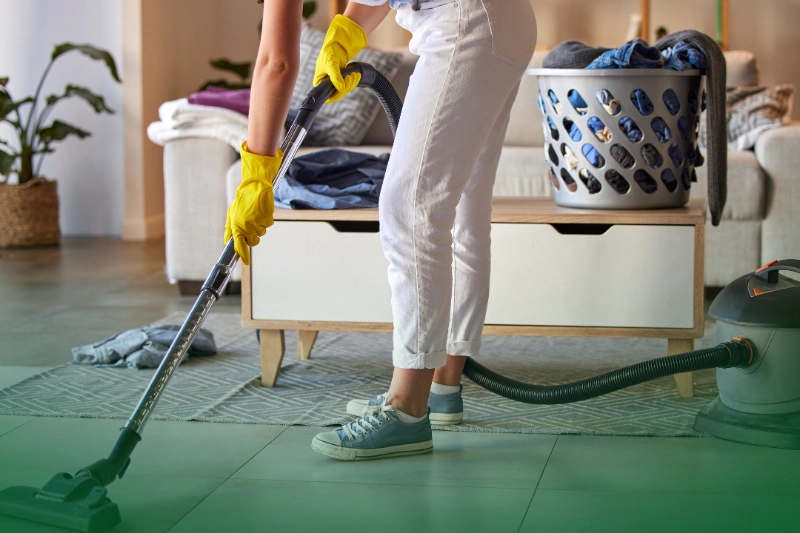
Regular deep cleaning is just as important as daily tidying. Schedule monthly decluttering of storage spaces, closets, and pantries. Pay close attention to hidden spots behind and beneath appliances or furniture. Vacuuming these areas removes crumbs and potential eggs or larvae. Also, monitoring for moisture under sinks and in bathrooms is vital, as even minor leaks can provide a water source that attracts pests.
Use Natural Repellents
Natural repellents add an extra layer of pest protection, especially if you prefer chemical-free solutions. For example, Osage orange peels can be placed on countertops or used in decorative arrangements to deter cockroaches due to their natural compounds. Other options include peppermint oil for rodents and vinegar or citrus sprays for ants. However, these remedies are most effective as part of an overall pest control regimen, not as stand-alone solutions.
Additional household ingredients, such as diatomaceous earth, are popular natural alternatives for tackling crawling insects. Sprinkling this powder in corners, under appliances, or near entry points can physically disrupt and dehydrate various pests, effectively reducing populations without harmful chemicals. Integrating these types of solutions into your routine can enhance long-term pest resistance while remaining environmentally friendly.
Proper Storage and Waste Management
Improperly stored food or waste is a beacon for hungry pests. Ensure that all edible items, including leftovers and pet kibble, are kept tightly sealed. All recyclable food containers should be rinsed before disposal, and trash bins need to have secure, tight-fitting lids. Trash and recycling should be emptied regularly to reduce the odor appeal. Regularly cleaning the interiors and exteriors of trash bins can also reduce their appeal.
Managing food scraps and compost responsibly is another often-overlooked aspect of pest control. If you compost at home, use sealed containers and keep compost piles away from the home’s exterior to reduce the likelihood of drawing rodents or insects close to your living space. For those with outdoor pet feeding stations, ensure bowls are brought indoors after each meal.
Regular Inspections
Routine self-inspections are an effective way to detect early signs of pest activity, helping you act before an infestation grows. Look inside cabinets, behind appliances, in attics, and around the basement for droppings, gnaw marks, nests, and unusual odors. Early detection can save considerable time and money by limiting the extent of any pest problem. The Environmental Protection Agency provides detailed tips for inspecting and protecting your home.
Documenting inspection findings can help spot patterns. Keep a simple logbook or digital note of what you observe and when. If problems persist or recur, having a record helps when communicating with pest professionals to diagnose and resolve stubborn pest activity.
Outdoor Maintenance
Outdoor maintenance aids indoor pest prevention. Trim shrubs and branches away from the house to keep pests at bay. Clear yard debris, clean gutters, and eliminate standing water to prevent breeding sites. Store firewood at least 20 feet from your home to deter insects and rodents. Inspect outdoor lighting and consider using yellow bulbs to reduce insect attraction. Fix fencing and check shed seals to protect your perimeter. These simple measures significantly improve pest resistance.
When to Seek Professional Help
While consistent prevention measures resolve most problems, some infestations require skilled attention. Persistent activity, visible nests, or signs of structural damage warrant the expertise of a licensed pest control provider. Professionals can safely identify, treat, and monitor issues that are challenging to handle with DIY methods. Their intervention ensures a comprehensive solution that restores your home to a pest-free state as quickly as possible.
Conclusion
Keeping your home pest-free requires a combination of prevention, vigilance, and consistent maintenance. By sealing entry points, maintaining cleanliness, properly managing waste, and conducting regular inspections, you can significantly reduce the risk of infestations. When prevention measures are not enough, professional pest control services can provide effective solutions to protect your home and family.