Home » Roofing & Exterior » HVAC Repair vs Replace: The 50% Rule
HVAC Repair vs Replace: The 50% Rule
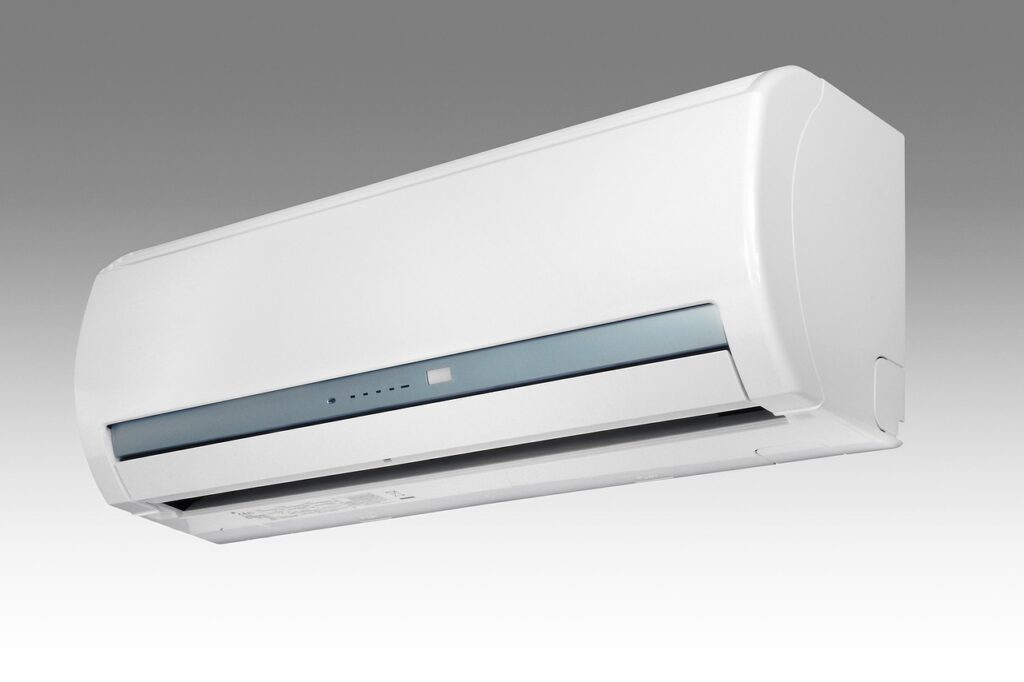
The math
Repairs run $150–$600, partial parts (capacitor, contactor) $200–$600, compressor or coil $1,200–$2,500, full replacement $5,000–$9,000 for a typical 1,800 sq ft home. Size your case in the HVAC Cost Estimator.
Repair or replace rule
Replace when: system is 12+ years old, repair exceeds 50% of replacement, SEER under 13, or R-22 refrigerant is involved (phased out, brutally expensive). Repair when: under 8 years, first breakdown, and the fix is under $500.
Worked example: dead capacitor
The most common no-cool call: $15 part, $150–$300 installed, done in an hour. Compare: compressor failure on a 14-year-old R-22 unit at $2,200 — replace the system instead. Knowing which failure you have saves thousands before anyone arrives.
Getting quotes right
Demand Manual J load calculation — rule-of-thumb sizing oversizes equipment, short-cycles it, and breeds humidity. Three quotes should list SEER2, furnace AFUE, lineset replacement, permit, and thermostat. Summer emergency premiums run 25–50%.
Maintenance that prevents bills
Change filters every 1–3 months, hose condenser coils yearly, keep 2 ft clearance around the unit, and pour vinegar down the condensate line each spring. Annual $100 tune-ups catch capacitors before August failures.
Cost reality
Full 3-ton 16 SEER2 system installed: $6,000–$9,000; budget brands $1,500 less with shorter warranties. Energy savings of 20–40% over a 15-year unit repay upgrades in 5–8 years. More in home guides.
Limits
Online ranges cannot account for ductwork condition, electrical panel capacity, or permit costs — budget 15% contingency. Duct replacement can add $2,000–$5,000. Always verify license and refrigerant handling certification.
SEER math that matters
Each SEER2 point saves roughly 7% cooling energy. Jumping SEER 13 to 17 on a $200 summer bill saves ~$56 monthly in peak season — $300+ yearly in hot states. Size matters more than rating: an oversized 18 SEER short-cycles into humidity and mold, performing worse than a right-sized 15.
FAQ
How long do systems last? 12–17 years with maintenance; neglected ones die at 10. Second opinions? Free for quotes over $1,000 — compressor diagnoses deserve verification. Rebates? Federal credits plus utility rebates can cut $2,000+; check DSIRE before signing.
One last rule: photograph the data plate (model, serial, refrigerant type) and keep install permits plus Manual J paperwork in one folder. Warranty claims without registration die fast, and future buyers pay premiums for documented HVAC history with transferable labor terms.
Timing tip: replace systems in spring or fall when installers discount to fill schedules. Emergency August replacements cost 25–50% more for the same equipment installed by whoever is available fastest.
Related tools: HVAC | Roof | All tools
The rule in plain terms
The idea behind the 50% rule is simple: no one wants to pour money into an ageing unit. The trouble is that a single “rule” hides the real variables — the age of the system, its efficiency, the cost of the repair, and how long you plan to stay in the home. A better approach is to weigh the repair cost against the remaining life you get for it, and against the running cost of an old, inefficient unit.
When repair makes sense
- The system is under about 10 years old.
- The repair is a single, well-understood component (capacitor, blower motor, thermostat).
- The unit has been reliable and is properly maintained.
- The repair is a small fraction of a new system’s cost.
When replacement wins
- The system is near or past the end of its expected life.
- Repairs are becoming frequent.
- Efficiency is poor and energy bills are climbing.
- The old unit uses outdated refrigerant that is being phased out.
Factor in running costs, not just the fix
A cheap repair on a 15-year-old system still leaves you with a 15-year-old system: higher bills, more breakdowns and possible refrigerant problems. A high-efficiency replacement cuts monthly running costs and often comes with a warranty and rebates. If you plan to stay several years, the new unit frequently pays back the difference.
FAQ
What is the 50% rule exactly? Replace if the repair costs more than half the price of a new system — but treat it as a starting point, not a decision.
Is a new unit always better? Not if the repair is small and the system is young and efficient.
How long do systems last? With regular servicing, roughly 10–15 years for air conditioners and 15–20 for furnaces.
Related reading: water heater repair versus replacement and vetting a contractor.