Home » Home Improvement » Drywall Repair Cost: What Each Type of Damage Actually Runs in 2026
Drywall Repair Cost: What Each Type of Damage Actually Runs in 2026
Drywall repair cost depends less on square footage than on what kind of damage you have: a nail pop, a doorknob hole, a water stain, or a sagging ceiling are four different jobs with four different price tags. Nationally, a professional drywall repair runs about $600 on average, with typical jobs between $295 and $925 – but small patches can be under $150 while water-damaged sections run past $1,500. Here is the breakdown by damage type, the DIY math, and how to get a fair quote in 2026.
Drywall repair cost at a glance
- National average: about $609, with most invoices between $295 and $925 (2026 contractor data)
- Full range: $150 to $2,000 depending on damage type and finish
- Pro labor: $50 to $100 per hour in most markets
- DIY materials for a small patch: $20 to $60
Repairers quote either per job or per square foot, and the per-job quote almost always wins for small damage because the fixed costs – setup, taping, two coats of compound, sanding, texture, and paint – are the same whether the hole is four inches or fourteen.
Cost by damage type
- Nail pops and hairline cracks: $50 to $150 each. Fast, but if they cluster along one seam, the framing is moving – fixing the pop without the cause buys you a repeat visit.
- Small holes (up to about 4 inches): $100 to $300. A mesh-and-compound patch over a doorknob strike.
- Medium holes (4 to 12 inches): $150 to $400. Cut to a stud, new piece, tape, three coats.
- Large holes (1 to 3 feet): $400 to $800, sometimes more with texture matching.
- Water-damaged drywall: $600 to $1,550. Includes cutting out the softened section, treating the cavity, and often insulation.
- Ceiling repairs: $300 to $1,000. Overhead work, scaffolding, and gravity make every step slower and pricier.
- Textured finishes: add roughly 20 to 50% to any of the above – matching knockdown or orange-peel texture is a skill, and the blending is why the invoice grows.
The texture problem: why patches cost more than they look
The repair itself is carpentry a patient homeowner can learn. The finish is the hard part. A flat, untextured wall can be blended nearly invisibly with two skim coats and sanding. A knockdown or orange-peel ceiling cannot be “patched” in the same visual sense – the texture must be feathered across the whole field to avoid a permanent shadow line. That is why a small hole in a flat bedroom wall can be a $150 job while the same hole in a textured great-room ceiling quotes at $400.
DIY vs pro: the honest math
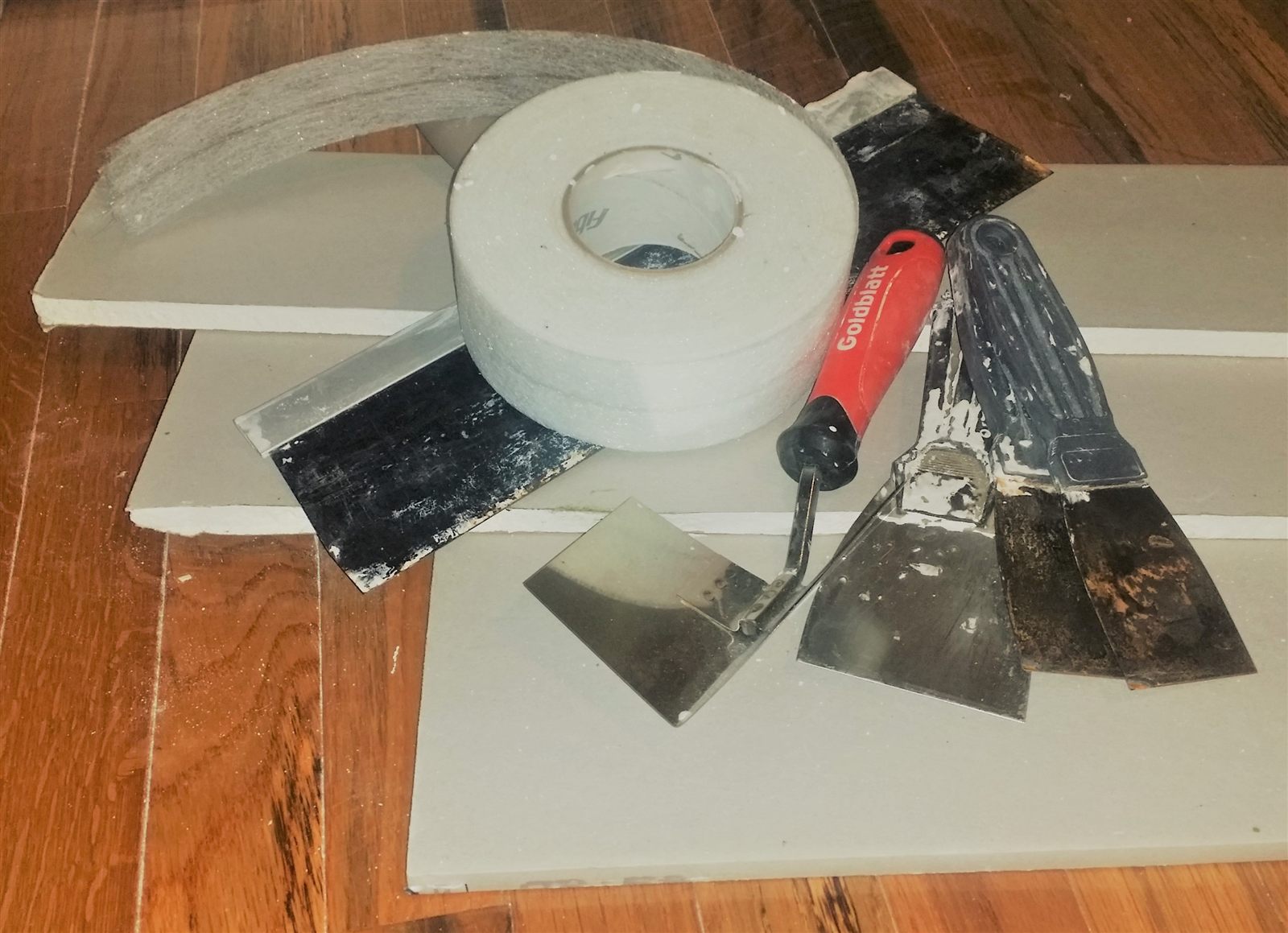
A small patch kit costs $20 to $60: self-adhesive mesh, setting-type compound, a knife, and sandpaper. On a flat wall, a careful DIYer gets a result within striking distance of professional for a quarter of the price. The DIY case weakens fast when the repair needs texture matching, when it is overhead, or when the damage is bigger than a dinner plate – the failure mode of amateur drywall is not structural, it is the visible ring that shows up under every afternoon light for the next ten years.
Call a professional when: the texture must match, the damage is in a ceiling, the damaged area exceeds about a square foot, or the job is part of a larger renovation where bundling saves the trip charge. If the repair sits inside a bigger project – a refreshed bathroom before a sale, for example – it prices differently than a standalone visit; our guide to bathroom repair costs shows how line items combine.
Water damage is a different job
The $600 to $1,550 range for water-damaged drywall exists because the drywall is rarely the problem. The source – a roof, a window flashing, or a supply line – must be fixed first, or the new board dies the same death. Confirm the source is repaired before paying for the finish work, and treat any staining that spread beyond a small area with suspicion: cut, inspect the cavity, and dry the framing before closing the wall. If the water event was sudden and accidental, homeowner’s insurance sometimes covers the repair; documentation photos before cutting help that claim.
Getting a fair quote
Drywall is one of the easiest trades to get fair pricing on because the work is visual: send two or three contractors the same photos and dimensions and the quotes come back comparable. Ask each quote to name what finish level is included – texture matching, number of coats, paint – because that is where $300 quotes differ in reality. Our step-by-step on how to vet a contractor covers licensing, references, and payment staging. And if the patch is a preview of a bigger remodel, price the whole job at once: repairs inside a kitchen remodel cost far less as part of the package than as standalone visits.
Bottom line: most drywall damage is a $150 to $600 problem, texture is what turns a patch into a project, and water is the only variant that demands urgency. Fix small things early – a nail pop sealed today never becomes a cracked seam later.