
Keeping pests out of your home not only ensures a comfortable living space but also protects your family’s health. By implementing a few proactive measures, you can significantly reduce the risk of unwanted infestations. Calling on professionals such as Romney Pest Control can offer peace of mind if pest problems persist, but many effective prevention strategies can be incorporated into your everyday routine.
Household pests are persistent and often enter through unsuspected cracks, searching for food, water, and shelter. Consistent care and vigilance in and around your home will help keep most invaders away, allowing you to enjoy a safe, pest-free environment.
Seal Entry Points
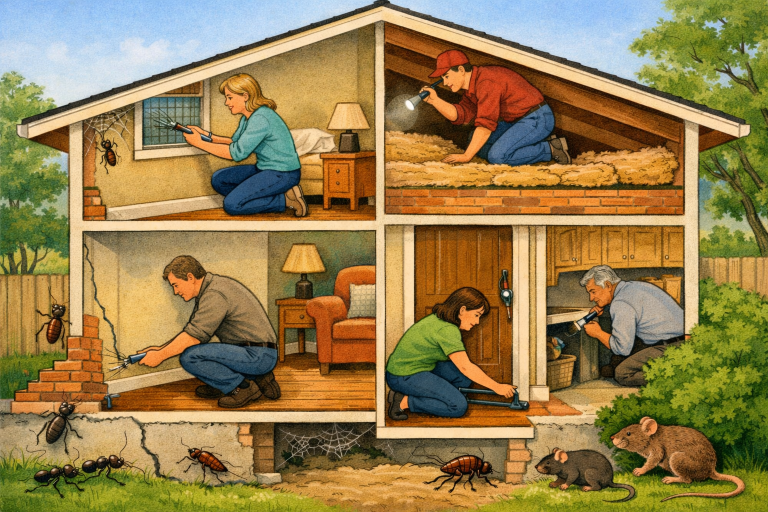
The first and most vital step in pest prevention is eliminating ways pests can enter your home. Small cracks in walls, gaps around windows and doors, and unsealed areas around pipes are common entry points for insects and rodents. Conduct a thorough inspection and seal all openings using weather-resistant caulk or expanding foam. Install sturdy door sweeps and well-fitting weather stripping around all exterior doors. Pay particular attention to utility penetrations and basement windows, which are frequent trouble spots. Proper sealing is a proven way to drastically limit pest infiltration.
Maintain Cleanliness
Sanitation plays a substantial role in pest control. Crumbs and food residue attract ants, cockroaches, and even mice. Regularly sweep kitchen and dining areas, wipe down countertops, and clean up spills immediately. Store pantry items and pet food in airtight containers, and avoid leaving dirty dishes in the sink overnight. Cluttered storage areas, stacked newspapers, and piles of clothing provide hiding spots for pests, so declutter regularly to minimize these risks. Simple habits like taking out the trash frequently and cleaning up after meals support a pest-free home.
Manage Moisture
Many household pests are attracted to water and thrive in damp conditions. Leaky faucets and pipes, poorly ventilated bathrooms, and moist basements provide ideal habitats for insects like silverfish, cockroaches, and even termites. Promptly fix any leaks and install exhaust fans in bathrooms and kitchens to improve ventilation. Consider using a dehumidifier in humidity-prone spaces. Regularly check under sinks, behind appliances, and around water heaters to catch moisture problems before they attract pests.
Use Natural Repellents
Natural pest deterrents are a safe way to bolster your home’s defenses. Essential oils like peppermint or citronella can repel mice and spiders while citrus peels discourage ants. Place these natural substances near windowsills, entryways, and other potential access points. Additionally, diatomaceous earth is a non-toxic powder that disrupts insect exoskeletons and can be sprinkled in problem areas. While natural remedies often help, they should complement, not replace, other preventive measures for the best results.
Install Physical Barriers
Physical barriers are highly effective against flying and crawling pests. Screen all windows and vents, repairing or replacing damaged screens as needed. Fine wire mesh over attic vents, chimneys, and crawlspace openings further blocks entry. Placing screens on outdoor floor drains and making sure vents have tight-fitting covers can greatly reduce indoor pest populations. These barriers offer protection without chemicals, making them ideal for households with pets or children.
Regular Inspections
Routine home inspections help catch signs of pests before infestations escalate. Check for droppings, gnaw marks, nests, and unusual odors in dark or undisturbed spaces. Inspect behind appliances, inside cabinets, and in seldom-visited storage rooms. Early discovery allows you to address problems before they worsen and is critical for long-term pest management.
Proper Waste Management
Improperly stored garbage is a major pest attractant. Always use trash cans with tight-fitting lids and empty them regularly. For outdoor bins, keep them away from your home’s foundation, and ensure they are free of food residue. Rinse recyclables before placing them in bins to avoid attracting insects. These habits make your home far less appealing to pests.
Landscaping Considerations
Thoughtful landscaping can help prevent pests from entering the home. Trim tree limbs and shrubs so they do not touch or hang over the house, and clear away brush or debris that can shelter pests. Store firewood at least 20 feet from your home and keep it elevated. Choose mulch wisely, since certain types attract insects. By maintaining your yard and keeping landscaping neat, you create a buffer that discourages pests from moving indoors. Implementing these steps consistently will ensure your home remains safe, healthy, and welcoming. Taking a proactive approach is the best way to prevent pest issues and maintain comfort year-round.